The Toyota Rush has established itself as a popular choice among compact SUVs, especially for drivers seeking a combination of practicality, style, and reliability. Designed to cater to the needs of modern urban dwellers and adventurous families alike, the Rush offers a versatile package that balances performance, comfort, and safety. As a vehicle that emphasizes both functionality and contemporary design, it appeals to a broad demographic looking for an affordable yet capable SUV. This article explores the various aspects of the Toyota Rush, from its exterior styling to its technological features, helping potential buyers make an informed decision about whether this vehicle aligns with their lifestyle and preferences.
Overview of the Toyota Rush: A Compact SUV for Modern Drivers
The Toyota Rush is a subcompact SUV introduced to serve markets worldwide with a focus on affordability, practicality, and versatility. Built on a compact platform, it offers an elevated driving position and increased ground clearance compared to typical hatchbacks, making it suitable for city driving as well as light off-road adventures. The Rush is designed to accommodate small families and urban professionals, providing ample space without the bulk of larger SUVs. Its reputation for reliability and low maintenance costs makes it an attractive option for budget-conscious consumers. The vehicle’s global presence has led to various regional adaptations, but the core philosophy remains rooted in delivering a dependable, stylish, and efficient urban SUV.
The model typically features a five-door configuration with a focus on maximizing interior space within a compact footprint. Its design philosophy emphasizes practicality, with features tailored to enhance everyday usability, such as flexible seating arrangements and ample cargo capacity. The Rush is also appreciated for its elevated stance, providing better visibility and confidence on the road. As a modern vehicle, it incorporates contemporary styling cues and technological enhancements to meet the expectations of today’s drivers. Overall, the Toyota Rush positions itself as an accessible, versatile, and dependable choice for individuals seeking a compact SUV that can handle diverse driving scenarios.
The vehicle’s size makes it particularly well-suited for navigating congested city streets and fitting into tight parking spaces. Its compact dimensions do not compromise on interior comfort, as it offers well-thought-out cabin ergonomics and user-friendly features. The Rush also caters to the growing demand for SUVs that are economical yet capable, offering a balance between size, utility, and cost. With a focus on practicality and modernity, the Toyota Rush continues to appeal to a broad spectrum of drivers looking for a reliable urban SUV with the flexibility to handle weekend getaways or outdoor excursions.
In terms of market positioning, the Toyota Rush competes with other subcompact SUVs like the Honda BR-V, Ford EcoSport, and Hyundai Creta. Its affordability, combined with Toyota’s reputation for durability, makes it a compelling choice in the segment. The vehicle is often praised for its ease of driving, low running costs, and versatile features, making it suitable for first-time SUV buyers as well as experienced drivers seeking a secondary vehicle. As urban landscapes evolve and the demand for compact yet capable SUVs increases, the Toyota Rush remains a relevant and attractive option for modern drivers worldwide.
Exterior Design Features of the Toyota Rush
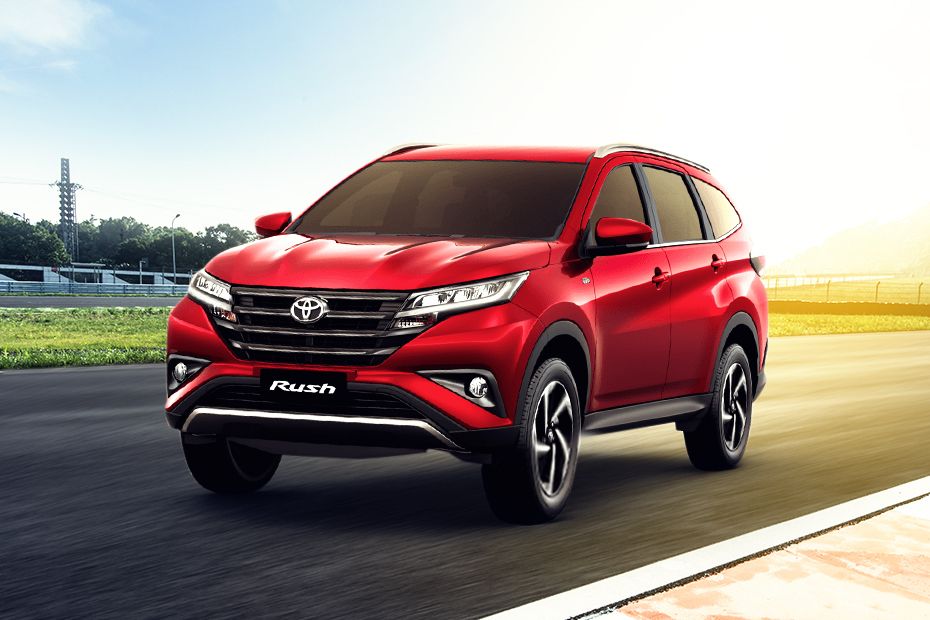
The Toyota Rush boasts a modern and dynamic exterior that emphasizes sporty appeal and practicality. Its bold front grille, complemented by sleek headlights, gives the vehicle a confident and approachable presence on the road. The grille design often features a prominent chrome or matte finish, adding a touch of sophistication, while the LED or halogen headlamps provide excellent illumination for night driving. The sculpted hood and aerodynamic lines contribute to a contemporary look that balances style with functional benefits such as improved airflow and reduced wind resistance.
On the sides, the Rush features prominent wheel arches and a rising beltline that enhances its muscular stance. The body contours are designed to create a sense of movement, giving the vehicle an energetic appearance. Depending on the variant, the Rush may come with alloy wheels that range from 15 to 17 inches, adding to the aesthetic appeal and stability. Roof rails are often included as standard or optional features, providing additional utility for carrying cargo or sporting equipment. The overall silhouette is compact yet robust, making it suitable for both urban environments and outdoor adventures.
The rear design continues the theme of practicality and modernity, with vertically oriented taillights that improve visibility and add to the vehicle’s stylish profile. The tailgate is designed for easy access and may include a rear windshield wiper for better visibility in adverse weather conditions. Some models feature a rear spoiler that enhances aerodynamics and sporty aesthetics. The bumper design is simple yet functional, often incorporating reflectors or faux skid plates to hint at off-road capability without overpromising. Overall, the exterior design of the Toyota Rush strikes a balance between ruggedness and refinement, appealing to a diverse range of drivers.
Color options for the Rush typically include vibrant shades such as red, blue, and metallic hues, allowing owners to personalize their vehicles. The exterior finishes are durable and weather-resistant, ensuring the vehicle maintains its visual appeal over time. Attention to detail in the exterior design reflects Toyota’s focus on creating a vehicle that is not only functional but also attractive. Whether parked in the city or on a scenic outdoor trail, the Toyota Rush’s exterior creates a positive first impression, signaling a vehicle that is ready for adventure and daily commuting alike.
In summary, the exterior design of the Toyota Rush combines modern styling cues with practical features. Its sporty lines, bold grille, and functional details make it a standout in the compact SUV segment. The vehicle’s aesthetic appeal is complemented by thoughtful design elements that enhance usability, such as roof rails and accessible tailgate access. This design philosophy ensures that the Rush remains relevant and appealing to drivers who value both style and practicality in their daily transportation.
Interior Comfort and Space in the Toyota Rush
The interior of the Toyota Rush is thoughtfully designed to maximize comfort and usability within its compact dimensions. It offers a spacious cabin that comfortably accommodates five passengers, with attention to ergonomic seating and ample headroom and legroom for all occupants. The seats are typically upholstered with durable fabric or leather, depending on the variant, providing a comfortable seating experience suitable for daily commutes or longer trips. The driver’s seat often features adjustable settings to ensure a personalized driving position, enhancing comfort during extended journeys.
One of the key highlights of the Rush’s interior is its flexible seating arrangement. The second-row seats are designed to fold flat or be adjusted to increase cargo space, offering versatility for transporting larger items. The rear seats also provide a split-folding feature, allowing owners to balance passenger and cargo needs efficiently. Despite its compact size, the vehicle’s cabin space is optimized to prevent a cramped feeling, making it a practical choice for small families or groups. The interior layout emphasizes accessibility, with intuitive placement of controls and storage compartments.
Storage options within the Toyota Rush are sufficient for everyday needs. The cabin includes glove compartments, door pockets, cupholders, and a center console with additional storage space. Some models also feature a small glove box cooling feature or USB ports for device charging and connectivity. The cargo area, accessible via the rear tailgate, provides enough space for groceries, luggage, or outdoor gear, with the flexibility to expand capacity when needed. The rear seats can be folded down to create a flat loading surface, further enhancing utility.
In terms of comfort features, higher trim levels often include air conditioning with rear vents, a multi-function steering wheel, and a user-friendly climate control system. The cabin noise levels are generally well-managed, contributing to a quiet and relaxed environment. Some variants come equipped with additional amenities like a rearview camera, keyless entry, and premium audio systems. Overall, the interior of the Toyota Rush combines practicality with comfort, ensuring a pleasant driving and riding experience even on longer journeys.
The interior’s design also emphasizes safety and convenience, with clearly marked controls and accessible features for the driver. The cabin’s materials are selected for durability and ease of maintenance, aligning with the vehicle’s reputation for reliability. The overall ambiance is modern and functional, appealing to drivers who value straightforward usability combined with comfortable seating. Whether for daily commuting or weekend adventures, the Toyota Rush’s interior aims to deliver a balanced mix of space, comfort, and practicality suitable for diverse lifestyles.
Performance and Engine Options of the Toyota Rush
The Toyota Rush is typically equipped with a reliable and efficient engine that balances performance with fuel economy. Depending on the market, the vehicle is powered by a 1.5-liter four-cylinder petrol engine, which offers adequate power for urban driving and light off-road conditions. This engine is designed to deliver smooth acceleration, responsive handling, and respectable fuel efficiency, making it suitable for daily commutes and weekend outings alike. The engine is paired with either a 5-speed manual transmission or a 4-speed automatic transmission, giving drivers options based on their preferences and driving conditions.
Performance-wise, the Toyota Rush provides a balanced driving experience. Its engine produces around 102 to 104 horsepower, with torque figures sufficient to handle typical city and highway driving scenarios. The vehicle’s compact size and light weight contribute to nimble handling and easy maneuverability, especially in congested urban environments. The suspension system is tuned to absorb bumps and uneven surfaces, providing a comfortable ride for passengers. While it is not designed for high-speed performance or rugged off-road adventures, the Rush offers dependable and predictable handling for everyday use.
In some regions, the Rush may also be available with a more advanced engine option or hybrid configurations, aimed at improving efficiency and reducing emissions. However, the most common setup remains the 1.5-liter petrol engine, which strikes a good balance between power and economy. The vehicle’s drivetrain is optimized for reliability and low maintenance costs, aligning with Toyota’s reputation for producing durable engines. Regular servicing ensures longevity and consistent performance over the vehicle’s lifespan.
The vehicle’s performance characteristics are complemented by its lightweight chassis and responsive steering, making it easy to navigate tight city streets and parking lots. The engine’s power delivery is smooth, with minimal lag, which enhances driving confidence. For drivers seeking a practical and capable compact SUV that can handle daily driving needs without fuss, the Toyota Rush’s performance specifications are well-suited. Overall, it emphasizes reliability and efficiency over