The Toyota Agya has established itself as a popular choice among urban dwellers seeking a compact, efficient, and reliable city car. Designed to navigate tight city streets and crowded parking lots with ease, the Agya combines practical features with modern styling. Its affordability and fuel efficiency make it an attractive option for first-time buyers, students, and budget-conscious consumers. Over the years, Toyota has continually refined the Agya to enhance its comfort, safety, and technology offerings, ensuring it remains competitive in the small car segment. This article provides a comprehensive overview of the Toyota Agya, covering its design, performance, features, and overall value, helping potential buyers make an informed decision.
Overview of the Toyota Agya: Compact and Efficient City Car
The Toyota Agya is a compact hatchback specifically engineered for urban environments. Its small footprint allows for easy maneuverability through congested city streets and convenient parking in tight spaces. Despite its modest size, the Agya offers a surprisingly spacious interior, optimized for comfort and practicality. The car’s lightweight construction contributes to impressive fuel efficiency and agile handling, making it ideal for daily commuting. Its affordability and low maintenance costs further enhance its appeal as a reliable city runabout. Overall, the Agya stands out as a smart, economical choice for drivers seeking a no-fuss vehicle that excels in urban settings.
The Agya’s design philosophy centers on simplicity and functionality. Its compact dimensions—typically around 3.7 meters in length—enable swift navigation through urban traffic. The vehicle’s design emphasizes practicality, with a tall roofline and wide-opening doors for easy ingress and egress. Its small turning radius allows for effortless U-turns and parking maneuvers, critical in crowded city environments. The car also features a sturdy build that balances durability with lightweight construction, ensuring longevity and cost-effective ownership. As a city car, the Agya is tailored to meet the needs of modern urban lifestyles with efficiency at its core.
In addition to its core features, the Agya boasts a reputation for dependability and low running costs. Its simple mechanical layout reduces the likelihood of breakdowns and expensive repairs, making it a favorite among budget-conscious drivers. The vehicle’s compact size does not compromise its ability to accommodate daily essentials, with a practical cargo space at the rear. Its overall design reflects Toyota’s commitment to creating accessible transportation solutions for diverse markets. The Agya’s reputation for reliability makes it a trusted companion for daily commuting and city errands alike.
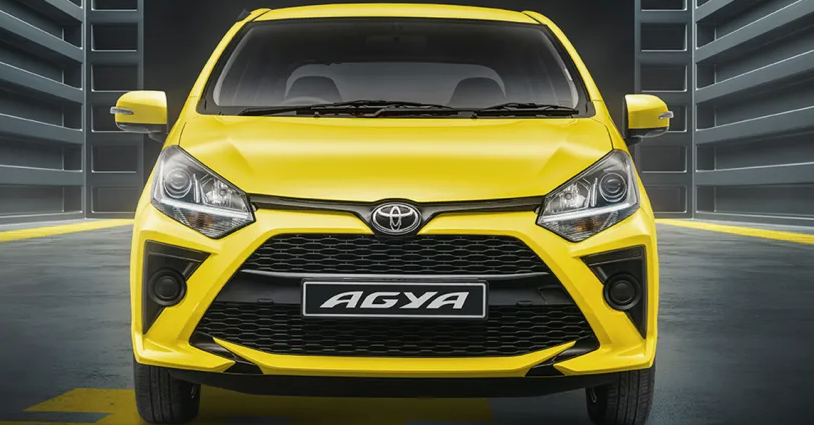
The model is available in various configurations tailored to different markets, with some regions offering additional features or styling options. Despite its straightforward approach, the Agya incorporates modern touches such as LED headlights and stylish grille accents to appeal to contemporary tastes. Its overall design is clean, functional, and unobtrusive—characteristics that resonate with urban drivers seeking practicality without sacrificing style. The Agya continues to evolve, incorporating customer feedback to improve comfort, safety, and technology features, ensuring it remains relevant in competitive urban mobility.
In summary, the Toyota Agya exemplifies a well-rounded city car that prioritizes efficiency, ease of use, and affordability. Its compact size, reliable performance, and modern design make it an ideal vehicle for navigating the complexities of city life. Whether for daily commuting or occasional errands, the Agya offers a balanced blend of practicality and value, making it a noteworthy option in the small car segment.
Design and Exterior Features of the Toyota Agya
The exterior design of the Toyota Agya emphasizes simplicity, functionality, and modern appeal. Its compact hatchback silhouette is characterized by clean lines and a straightforward profile, making it instantly recognizable as a city-centric vehicle. The front fascia features a bold grille design, often complemented by sleek headlights that incorporate contemporary styling elements such as LED daytime running lights in higher trims. The overall look is both youthful and practical, aimed at attracting urban drivers seeking a stylish yet utilitarian vehicle.
The Agya’s compact dimensions—typically around 3.7 meters in length—enable effortless maneuvering through tight city streets and crowded parking lots. Its small turning radius enhances agility, allowing for sharp U-turns and easy parking in confined spaces. The vehicle’s wheel arches are subtly pronounced, and alloy wheel options are available in higher trims, adding a touch of sportiness to its exterior. The side profile remains uncluttered, with simple door handles and side mirrors, some of which are color-matched to the body for a cohesive look.
At the rear, the Agya maintains a minimalist approach with a clean tailgate design and modest taillights that complement the overall aesthetic. Some variants feature a rear spoiler or bumper accents to enhance visual appeal. The hatchback layout not only contributes to a sporty appearance but also provides practical access to the cargo area, making loading and unloading convenient for everyday use. Roof rails and other accessories are occasionally available, allowing owners to customize the vehicle for additional utility.
Color options for the Agya typically include a range of vibrant and neutral shades, enabling buyers to personalize their vehicles. Popular colors include bright reds, blues, whites, and metallic finishes, which help the car stand out in urban environments. The exterior features are designed to balance style with durability, with scratch-resistant paint and sturdy plastic bumpers that withstand the rigors of city driving. Overall, the exterior design of the Toyota Agya reflects its purpose as a compact, efficient, and stylish city car.
In conclusion, the Toyota Agya’s exterior design successfully combines practicality with modern aesthetics. Its compact size, smart styling cues, and functional features make it well-suited for urban living. The vehicle’s exterior not only facilitates ease of driving and parking but also offers enough visual appeal to attract a wide range of drivers seeking a reliable and stylish city car.
Interior Comfort and Technology in the Toyota Agya
Inside, the Toyota Agya offers a surprisingly spacious and comfortable cabin considering its compact exterior dimensions. The interior layout is designed with practicality in mind, providing essential comfort features for daily commuting and city driving. The seats are typically fabric-upholstered, with some variants offering upgraded materials or additional cushioning for enhanced comfort. The cabin’s layout emphasizes simplicity, with controls and displays positioned for easy reach and visibility, ensuring a user-friendly experience.
The front seats provide a decent amount of support for short to moderate journeys, while the rear bench seat can accommodate up to three passengers, making the Agya a practical choice for small families or groups. Legroom and headroom are optimized within the limited space, although taller passengers may find the rear legroom slightly constrained. The cabin features a straightforward design with minimal clutter, focusing on functionality. Storage compartments such as glove boxes, door pockets, and cupholders are included to keep personal items organized.
Modern technology features are incorporated into the Agya’s interior, especially in higher trim levels. A central infotainment system with a touchscreen display is common, offering Bluetooth connectivity, USB ports, and auxiliary inputs for seamless smartphone integration. Some variants include a rearview camera to assist with parking, along with steering wheel-mounted controls for audio and call management. The system’s interface is generally intuitive, catering to driver convenience and safety.
Climate control in the Agya is typically managed through manual air conditioning systems, providing adequate cooling and ventilation for city driving conditions. Some higher trims may include additional features like a digital clock or a multi-information display on the instrument cluster. The interior lighting is designed to be functional, with options for ambient lighting in premium variants. Overall, the Agya balances essential comfort and technology features to enhance the driving experience without overwhelming the user.
Materials used inside the Agya are durable and easy to maintain, reflecting its focus on affordability and practicality. The cabin’s design prioritizes visibility and accessibility, making it easier for drivers to navigate busy streets and parking spots. While it may not offer luxury features found in higher-end vehicles, the Agya provides a comfortable and connected environment suitable for urban life. Its interior layout and tech amenities are aligned with the needs of modern city drivers, emphasizing convenience, safety, and value.
In summary, the Toyota Agya’s interior combines functional comfort with contemporary technology, ensuring a pleasant driving experience within a compact space. Its straightforward design, coupled with essential features, makes it an attractive choice for those seeking an efficient, user-friendly city car that caters to daily needs.
Engine Options and Performance of the Toyota Agya
The Toyota Agya is typically powered by small, efficient engines tailored to city driving and fuel economy. Most markets offer a 1.0-liter three-cylinder engine, which balances adequate power with low fuel consumption. This engine configuration provides sufficient acceleration for urban traffic conditions and is known for its reliability and ease of maintenance. Some variants may also feature a 1.2-liter engine, offering a bit more performance for drivers who require additional power for highway driving or more demanding conditions.
The 1.0-liter engine usually produces around 66 horsepower and 89 Nm of torque, enabling the Agya to accelerate smoothly from standstill and maintain steady speeds in city traffic. The engine is paired with either a five-speed manual transmission or a four-speed automatic transmission, depending on the variant and market. Manual transmissions are favored by drivers seeking greater control and fuel efficiency, while automatics provide convenience in stop-and-go traffic. The overall drivetrain setup is simple, durable, and designed for daily urban use.
The Agya’s performance is optimized for city conditions rather than high-speed highway driving. Its lightweight chassis and responsive steering make it easy to maneuver through crowded streets and tight parking spaces. The suspension setup, typically MacPherson struts in the front and torsion beams at the rear, offers a comfortable ride over uneven city roads. While not designed for sporty driving, the Agya’s engine and chassis work together to deliver a balanced, reliable performance suitable for daily commuting.
Handling characteristics of the Agya are predictable and confident at city speeds, with a tight turning radius that aids in parking and navigating narrow streets. The engine’s power delivery is smooth, and the transmission options allow drivers to optimize fuel economy or performance based on their preferences. Overall, the engine options and performance of the Toyota Agya are aligned with its purpose as an